
Services
Bymar provides a range of services across different modes.
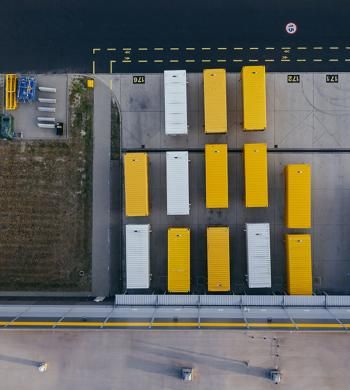
Multimodal transportation involves coordinating various modes of transportation to efficiently transfer materials, including containers, pallets or similar cargo consolidation items. This approach utilises multiple transportation methods to move goods from their point of origin to their final destination, all within a single transportation contract.
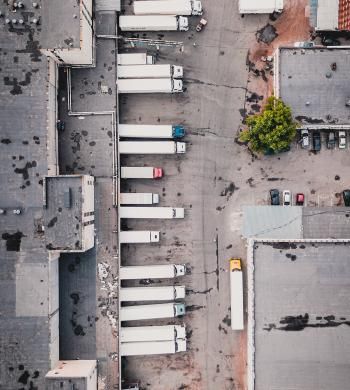
Over the past four decades, customs agents have undergone significant transformations. In the European Union, this evolution led to the standardisation of customs regulations and the opening up of the customs business. These changes paved the way for a more uniform legal framework across Europe.
This development has allowed for agility in Europe that surpasses that in the Americas, through the signing of numerous bilateral treaties to promote business with other countries. Additionally, in the aftermath of the 2011 attacks, a security code was established to enhance safety through a chain of security and cargo traceability, leading to the development of the AEO programme.
Obtaining the AEO certificate is a demanding process, and those who possess it are required to adhere to rigorous work standards. They are considered secure for customs, tax authorities, as well as airlines and maritime companies.
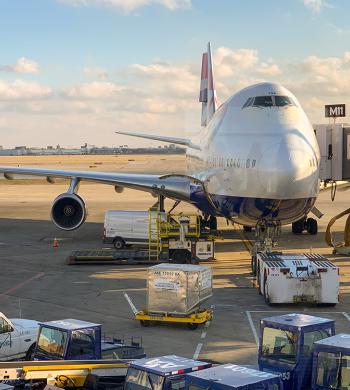
Air transportation is commonly associated with time-sensitive deliveries or shipments where the product’s value justifies weight-based payment.
This urgency has earned air transportation the label of “EXPRESS”, resulting in expedited processing compared to maritime shipping. To engage in air cargo operations, affiliation with the International Air Transport Association (IATA) is essential, a global organisation with a membership of over 60,000 professionals. Caution is advised when dealing with non-affiliated service providers, as IATA members have the financial strength to back any airfreight between them and the airlines.
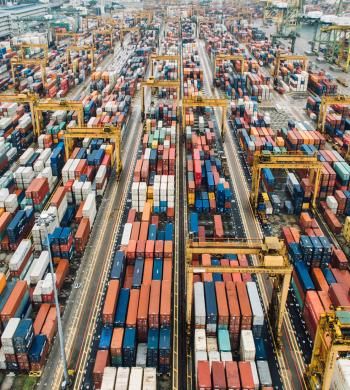
Maritime transport is recognised as the most cost-effective method of moving goods, whether in containers or as loose-loaded cargo, from one location to another.
Since ancient times, commodities like salt and other raw materials were shipped through agreements made at the port of origin, finalising deals with minimal commitments. Today, the process remains somewhat similar, with humans having developed mechanisms to professionalise the exchange of goods using codes known as Incoterms. These codes adapt over time to changes in purchasing and selling methods.